
Branding 101: The Advanced Guide To Create Your Brand Identity
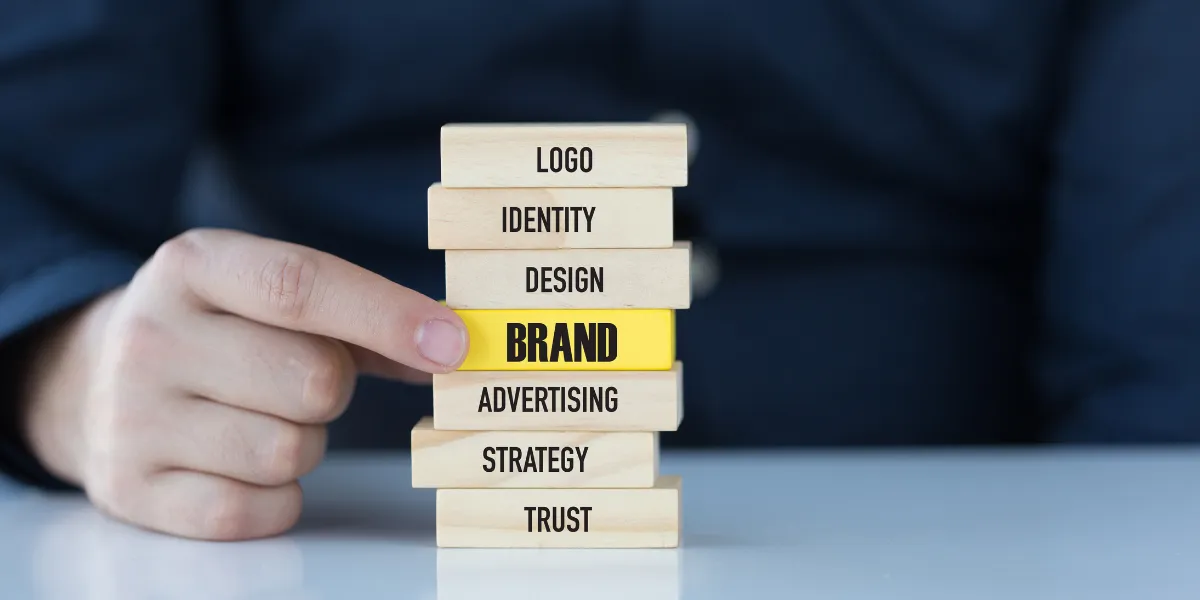
Building a brand identity is just as important as creating a product or service. It defines WHO YOU ARE and WHAT YOU STAND FOR.
It's easy to get caught up in the day-to-day work of running a business. Still, it's also important to remember that branding goes beyond your product or service… it tells the world who you are and what people can expect from interacting with your business.
You can use branding to increase client loyalty and referrals, build trust, and increase your product's perceived value and price.
The good news is, building a brand identity with no design experience seems intimidating, but this guide will cover the tools and knowledge you need to build a solid brand identity that will make all these goals possible
We’ll cover:
What is a brand identity?
Brand Identity Examples
How to Develop Your Brand Strategy?
How to Create Your Brand’s Visual Identity?
Where to Incorporate Your Brand Identity?
Ready? Let’s hop to it…
What is brand identity?
Your brand identity is what you represent in all your communications, whether online or offline. You want to ensure that your branding materials, from visuals to messaging, are associated with your company and are related to your mission and vision.
A brand identity is the set of visual and verbal elements that make up your company’s brand. It includes everything from logos, colours, fonts, images, and voice. This is what makes you unique from other companies in your industry.
Brand & Branding…
What is a brand?
Brands are created by consumers and can be anything from a logo to an entire marketing campaign that builds a reputation over time. They're most commonly associated with companies that sell products like clothes or food. A brand is also what we call ourselves. We use our names and identities to define ourselves in the world and we do it every day, whether we're called Chris or Jane.
What is branding?
Branding can be used strategically by businesses to make their products more recognisable and therefore more valuable by creating a unique look that makes it easy for your clients to remember. It is also defined as the actions you take to create a distinctive, memorable brand. It's the (hard) work you put into developing your desired image.
Brand Identity Examples
Let’s look at some global brands as proof of what a strong brand identity can do.
What is branding?
Mailchimp is the first email marketing platform to have a bold, creative, and modern identity. It's easy to get lost in the sea of boring and professional email marketing platforms that are out there, but Mailchimp has always had a fun and friendly vibe that is sure to keep you coming back for more.
The company's tagline, "Built to help you grow your own way," encapsulates its purpose as an email marketing platform to make sure you're getting noticed.
2. Coca-Cola
Coca-Cola has a clear identity with its logo being a clear outline of the shape of a glass bottle with a cap on top of it. This simple image allows people to easily identify their brand without having to look at too many other factors such as product packaging design or advertising campaigns which could distract from what the company wants people to focus on the product itself.
Coca-Cola has long been known for its brand personality and marketing strategies that are creative and memorable.
How to Develop Your Brand Strategy?
So, after understanding the difference between a brand and branding, how can you apply this knowledge to your business?
A “brand strategy” is a living document that defines the core values and vision of your business. It should be developed in conjunction with your company’s mission statement and vision, as well as its values. This can help you define what makes your business different from others and how it will differentiate itself from competitors in the marketplace.
The purpose of creating a brand strategy is to potentially help investors understand how successful businesses operate so they can make informed decisions when investing money into them or buying their stock (since stock ownership often requires companies to reveal their values). It also helps employees understand why they do what they do at work every day so they feel invested in the company's success goals.
Here’s how to do it in five simple steps.
1. Understand Your Niche & Study Competitors
Your brand strategy should be rooted in the unique values of your product, service, or business, as well as your market niche. Your niche is the area where you want to compete with your competitors. You'll want to know how much of a market share each company has in your industry, as well as who your competitors are.
Then you can use this information to develop a strategy for how you want to position yourself relative to those competitors and what makes you unique from them.
What is a brand identity?
Brand Identity Examples
How to Develop Your Brand Strategy?
How to Create Your Brand’s Visual Identity?
Where to Incorporate Your Brand Identity?
You have to know what makes you different from your competition, and then figure out how you can do better while staying true to who you are. You'll start to see what kinds of changes would work for your company, but at the same time, it will help you develop a clear vision for what kind of company you want to be in the future.
2. Define Your Target Audience
Once you have identified your niche, you need to figure out who it is that you're trying to reach with your product or service. This is called defining your target audience, and it's something that every brand needs to do before they start working on their branding strategy.
It can be difficult at first, but once you've done this step and have a good idea of who exactly it is that will benefit from using whatever it is that you're offering, then everything else becomes much easier.
It’s not possible to satisfy everyone. So tailor your mission and messaging to your target audience by answering the following:
What is a brand identity?
Brand Identity Examples
How to Develop Your Brand Strategy?
How to Create Your Brand’s Visual Identity?
Where to Incorporate Your Brand Identity?
Create a few marketing personas that are hypothetical hybrids of your ideal client. Having a visual of who your ideal clients are will give you clarity as you carry on with the next steps of your brand identity.
3. Define Your Purpose and Why
The third step to creating a successful brand is to define your purpose. What do you want your company or brand to accomplish?
Once you know your purpose, you then need to focus on:
The third step to creating a successful brand is to define your purpose. What do you want your company or brand to accomplish?
Once you know your purpose, you then need to focus on:
Vision: Your vision should be clear, measurable, and attainable. It should also be something that inspires people who work at your company and keep them motivated to continue working toward it. A good vision can help employees feel like they're part of something bigger than themselves, something bigger than their individual efforts. They'll be more likely to go above and beyond for your business's success..
Missions: Your missions are different from your values; these are things you stand behind and believe in as far as ethics, morals, or social responsibility go. Your mission statements should reflect those beliefs clearly and concisely so that clients can understand what exactly they're getting from your company.
Values: Your values are beliefs that guide how people behave toward each other and toward the things they care about. They're usually expressed as personal opinions on such topics as honesty, cooperation, creativity, or community involvement… though they can also be more abstract concepts like trustworthiness or fairness (in which case they might be called "principles").
Positioning: Your positioning is where you differentiate yourself from the competition. It's what you say about who you are and what sets you apart from other companies in your industry category. Positioning is about who you are as a brand, not just about what you do for clients, that's part of positioning too but it's not enough on its own because people don't buy things based on their values alone; they also buy based on how they feel when they think of themselves being associated with those things.
“People don’t buy what you do. They buy why you do it.” — Simon Sinek
Your purpose is the driving force behind any and all things that you do. Every single aspect of your branding needs to reflect this to ensure a strong brand identity.
4. Your Business Name
When you're ready to start your business, the next step is to choose a name. It's important that you find a name that personifies your brand and reflects its vision, mission, and values to position your brand better.
In order to make sure that you're on the right track, take some time to think about what your business name should be. How would you describe yourself? What is the most memorable thing about your brand?
Here are a few ideas to get the wheels turning:
Make up a word – Example: Pepsi
Reframe an unrelated word – Example: Apple
Alter an existing word by adding or removing letters – Example: Flickr
Look to Latin – Example: Volvo (Latin for “I roll”)
Make a portmanteau – Example: Facebook (a combination of two words, Face + Book)
Use an acronym – Example: IBM (International Business Machines)
Add prefixes and suffixes – Example: Shopify (Shop +ify)
Choose a place – Example: Amazon (the largest river in the world)
Once you've decided on a business name that works for you and your brand's vision, mission, and values and resonates with potential clients you're one step closer to creating a strong brand.
5. Your Slogan/Tagline
A slogan is a short, memorable message that you want your clients to associate with you. It's a way of telling your client that they can expect something special from you, something unique, and something that's going to give them great impressions of your brand.
To get started you can take several approaches:
Make your claim – Example: Carlsberg – “Probably the Best Beer in the World”
Use a metaphor – Example: Skittles – “Taste the Rainbow”
Tell ‘em what to do – Example: Apple – “Think Different.”
Leverage labels – Example: Cards Against Humanity – “A party game for horrible people.”
Get poetic – Example: Folgers Coffee – “The best part of wakin’ up is Folgers in your cup.”
Compliment your clients: – Example: L’Oreal – “Because you’re worth it”
TIP: Your slogan should be a direct reflection of your brand voice. If your brand were a person, what would it sound like? Is it going to be empowering? Fun? Silly?
How to Create Your Brand’s Visual Identity?
A brand’s visual identity is the image that represents your company. It can be thought of as the face of your company, and it communicates everything from what you do to what kind of brand you are.
In order to create your brand’s visual identity, you have to define your purpose. What is it that you’re trying to accomplish?
The elements of a brand’s visual identity include:
1. A Logo
Your logo is an image or design that represents your brand. It should be representative of what your company does and what it stands for. It's the first thing people see when they encounter your business, so it needs to be memorable, distinctive, and consistent with all other elements of your brand identity.
“A logo doesn’t sell (directly), it identifies.” — Paul Rand
Here are five tips in mind when it comes to logo design:
Keep it simple
Make it memorable
Test for versatility
Ask, “is it appropriate?”
Create for the long-term
2. Colour Palette
Your colour palette is another important element that needs to be considered when designing your brand's visual identity. You should choose colours that reflect your brand's values and mission, as well as its personality. For example, if you’re trying to create a luxury brand, then you can use luxurious colours such as gold and dark browns together with white as your main colour scheme.
Your brand’s visual identity is the cornerstone of your business.
It’s not just about a logo it’s about how you want to be seen by your clients. It can be as simple as a colour palette or as complex as a full-blown graphic design system.
So let's take a look at where we begin: the colour palette.
Your brand colour palette can have 3 to 8 colours:
1 main colour
2 primary colours
3-5 complementary and accent colours
The goal with choosing colour combinations is to create something that is distinct from competitors while still being easy to understand and identify as yours.
3. Typography
Your typography is always a key part of the visual identity of any branding project. The characteristics of your typeface will be the foundation for how it is used by your audience to communicate meaning.
This is where you should spend the majority of your time developing your typeface, approving each element that makes up your identity system.
4. Shapes & Imagery
Your shapes and imagery are one of the most fundamental building blocks when it comes to a brand’s visual identity. They can convey an emotion or concept, set apart your design from others, and more importantly, help create a brand’s personality.
Certain shapes become iconic by their contrast with the surrounding environment; for instance, a triangle normally represents power and strength. Similarly, rectangles hold freshness and cleanliness that other shapes lack, particularly when it comes to logos. Essentially, shapes are what make an image interesting, vibrant and unique.
Another way to consider when choosing imagery, think about your brand voice: is your voice loud and bold? Modern and edgy?
5. Brand Guidelines
Your branding guidelines are a set of rules, standards, and best practices for designing and developing your brand's logo, images, colours, and fonts. They help ensure that your brand is consistently represented across all channels of communication, from social media to printed collateral.
Your brand guidelines often include:
Logo elements
Colour variations
Clear space
Unacceptable uses
Include your mission statement, visual rules for images and icons, brand voice strategy, specifications for packaging, and email marketing in your guidelines.
Check out our Branding Guidelines to learn more.
Where to Incorporate Your Brand Identity?
Part of establishing a consistent brand is staying true to it to instil trust in your clients while providing direction to your team (even if that team is just you).
Website
You should consider incorporating your brand identity on your website. It's important that your branding is consistent throughout your site.
Use your brand colours as your header, highlight colour, and footer.
Use your brand fonts on your website
Make sure your brand voice is consistent throughout your messaging
Product Packaging
Your packaging can be an important part of establishing a consistent brand identity, as well as being functional for shipping purposes and protecting products during transit.
You don't have to use the same colours or design as the rest of your company, but having a consistent look between all of your products will help consumers relate to them more easily.
Check out our 5 Ways to Completely Revamp Your Packaging Design to learn more.
Business Cards
Your business cards are another way for people who meet up with each other often enough that they might need more than just their names on one piece of paper (like colleagues at work).
A standard business card size is 85x55mm; these dimensions will allow them to fit comfortably into most wallets without being too bulky or difficult to carry around all day long every day.
Email Signature
Your email signature is another great way to show off your company culture, personality, and brand identity.
You can use it to reinforce what you want clients to know about you so that when they see it every time they open their inbox, they'll think of your business. A simple branded email signature can help you gain more authenticity.
Social Media Channels
If you have a strong online presence, make sure that the posts are consistent with what you want others to know about who you are as a brand.
You can use your company's name, logo, colours, fonts, and tagline in all of your posts, you're telling people who see them that this is what they should expect from you and that makes it easier for them to trust you as a business.
If someone doesn't know what kind of brand they're looking for yet but wants some recommendations from friends, seeing how authentic your brand is will help them make an informed decision about whether or not it's worth visiting more often.
Apparel and Stationary
Even if you're starting from scratch with no idea what kind of image you want to project online, there are still plenty of things that can help give you an idea of what kind of style you might want to go with.
Whether it's shirts or stickers, use branded apparel as a way to show off your unique branding while remaining accessible enough for non-fans who may not be familiar with all of the details behind the brand itself.
Where to Incorporate Your Brand Identity?
The brand identity of your business is what clients think of when they hear the word "you." It's the sum of everything that you do as a business, from marketing to service and everything in between.
Your brand identity should be consistent with all aspects of your brand, from its name to its colours and designs, so that your clients can easily recognise it as theirs by looking at any one element of it.
When people think of your business or product (or anything else), they'll see something that makes them feel connected with it and this can lead them down an emotional path toward making purchases or telling others about what you're offering.
When it comes to branding, it’s all about developing your brand strategy. The key to a successful brand is not just about what you say about your brand, but also how you communicate that message. With this advanced guide, we hope you will be well on your way to creating a strong and memorable identity for your business or project.
A Brand Identity Takes Time
Creating your brand identity is something you can't just slap on a piece of paper and call it done.
It's a long, hard process that involves talking to people, designing and redesigning your logo and other elements and marketing materials, creating a website, and finding the right tone for your company
Brand Identity FAQs
1. What is a brand identity, with examples?
Your brand identity is what you represent in all your communications, whether online or offline. You want to ensure that your branding materials, from visuals to messaging, are associated with your company and are related to your mission and vision.
Here are some brand identity examples to check out:
Mailchimp
Coca-Cola
We’ve outlined their identities above.
2. What are the 5 steps to brand identity?
Here are 5 steps to creating a brand identity:
Understand Your Niche & Study Competitors
Define Your Target Audience
Define Your Purpose and Why
Your Business Name
Your Slogan/Tagline
3. What are the elements of a brand identity?
Here are the elements of a brand identity:
A logo
Colour Palette
Typography
Shapes & Imagery
Brand Guidelines
4. What is a good brand identity?
A good brand identity is a visual expression of the company's vision and values. It should be simple, clear, and consistent across all marketing materials to help you connect with your target audience.
And, it should also be flexible enough to change with the needs of the business and adaptable to a very innovative marketplace.
JOIN US on our Facebook Community Group (Lime’s Branding Lounge) where we give FREE resources and answer any questions regarding all things visual marketing and branding. Let’s create MASSIVE SUCCESS in your business >>here inside <<.
Ready to Elevate Your Brand? Let's Chat.
Whether you need ongoing design support or a full brand refresh, we’ll take care of the visuals
so you can focus on growing your business.
Contact us
Lime Design Studio -
Graphic Design & Branding
Office 3a, Knights Farm, Newton Road, Rushden, Northamptonshire NN10 0SX
Email: [email protected]


Lime Design Studio providing graphic design and branding in Rushden, Northampton, Milton Keynes, Leicester, Kettering and across the UK.
Copyright 2026 Lime Design Studio Ltd.